
The Best Boiled Cabbage Recipe
The Perfect Boiled Cabbage Recipe: Tender, Flavorful, and Ready in 15 Minutes
If you’ve ever avoided boiled cabbage because you expected something bland, limp, and uninspiring, you’re not alone. For decades, boiled cabbage got a bad reputation, usually because it was overcooked into a sulfurous mush and served without a second thought. But here’s the truth: when you boil cabbage correctly, you end up with something genuinely delicious. It’s tender but not mushy, mildly sweet, and ready to absorb whatever seasonings you choose to add.
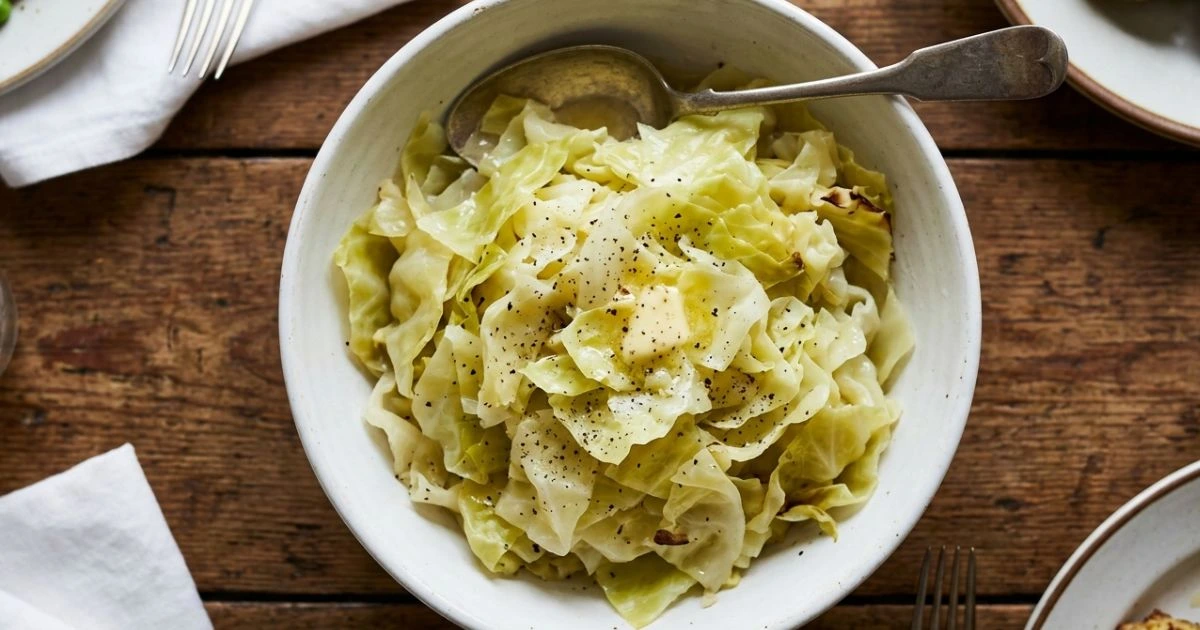

The Perfect Boiled Cabbage Recipe
Ingredients
Method
- Bring 6–8 cups of water to a full rolling boil in a large pot over high heat.
- Add 1½ teaspoons of kosher salt to the boiling water.
- Cut cabbage into wedges, chopped pieces, or shreds depending on your intended use.
- Add cabbage to the boiling water and stir once to separate any clumped pieces.
- Cook for 3–5 minutes (shredded), 5–7 minutes (chopped), or 8–10 minutes (wedges).
- Test with a fork, cabbage should be tender but still hold its shape.
- Drain immediately in a colander. Do not leave in hot water.
- Toss with butter or olive oil, black pepper, and optional apple cider vinegar. Serve hot.
This boiled cabbage recipe is the only one you’ll ever need. It’s simple, fast, and reliable. Whether you’re serving it as a weeknight side dish, preparing it as part of a larger meal, or using it as a base for soups and stews, this method delivers consistent results every single time. You’ll have perfectly cooked cabbage on the table in 15 minutes or less.
Why This Boiled Cabbage Recipe Works
The Science of Perfectly Boiled Cabbage
Cabbage is mostly water, about 92% by weight. When you expose it to boiling water, heat breaks down the cell walls and the vegetable softens. The key is controlling how long that process takes.
Cabbage goes from crisp to tender in a very short window. Shredded cabbage takes just 3–5 minutes. Wedges take 8–10 minutes. The moment you cross that threshold, cell walls collapse completely and you get mush. Timing is everything, and a consistent rolling boil with well-salted water is your best tool.
Salting your water serves two purposes: it seasons the cabbage from the inside out, and it raises the boiling point slightly, helping your cabbage cook more evenly. According to USDA food safety guidelines, boiling is also one of the most effective ways to reduce bacteria on raw vegetables, making it a reliable cooking method for safe, wholesome meals.
Why Most People Overcook Cabbage — and How to Avoid It
The most common mistake is walking away from the pot. Cabbage doesn’t give you a lot of warning before it goes from perfect to overcooked. Set a timer the moment you add it to the water, and taste it one to two minutes before that timer goes off. You’re looking for tender resistance, it should yield easily to a fork but still hold its shape.
Another mistake is using too much water at too low a temperature. You want a generous amount of fully boiling water so the cabbage cooks quickly and evenly rather than sitting in hot water that gradually warms it through.
Nutritional Benefits of Boiled Cabbage
Cabbage is one of the most nutritious vegetables you can cook with. One cup of boiled cabbage contains roughly 34 calories, 2 grams of fiber, and meaningful amounts of vitamin C, vitamin K, and folate. It’s also a good source of glucosinolates, compounds associated with anti-inflammatory properties. Boiling does reduce some vitamin C compared to raw cabbage, but it also improves the digestibility of the vegetable and makes it gentler on sensitive stomachs.
Ingredients for Boiled Cabbage
What You’ll Need
This recipe keeps things simple on purpose. The ingredients you need are likely already in your kitchen:
- 1 medium head of green cabbage (about 2 lbs)
- 6–8 cups of water
- 1½ teaspoons of kosher salt (plus more to taste)
- 2 tablespoons of butter or olive oil
- 2 garlic cloves, minced (optional)
- ¼ teaspoon of black pepper
- 1 tablespoon of apple cider vinegar (optional, adds brightness)
Choosing the Right Cabbage Variety
Not all cabbages behave the same way in boiling water. Green cabbage is the classic choice for this recipe, it holds its shape well, has a mild flavor that sweetens slightly when cooked, and is widely available year-round.
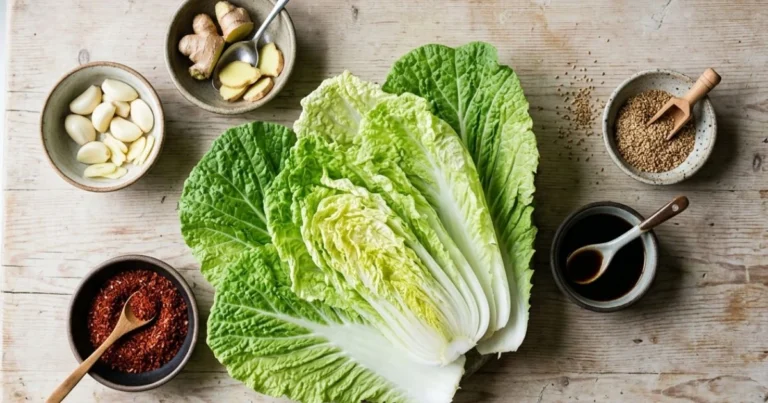
Savoy cabbage is more delicate with crinkled leaves and a slightly more complex flavor. It cooks faster and works beautifully if you prefer a softer, more silky result. Napa cabbage, which you might recognize from Asian cuisine, has very thin leaves and should only be boiled for 1–2 minutes, it’s better suited to quick blanching.
For most everyday applications, stick with green cabbage. It’s affordable, predictable, and genuinely delicious when treated right.
How to Make Boiled Cabbage Step by Step
Prep: How to Cut Cabbage for Boiling
How you cut your cabbage determines both the cooking time and how you’ll use the finished product.
Wedges: Cut the cabbage in half through the core, then cut each half into 3–4 wedges, keeping the core intact to hold the leaves together. Wedges are ideal for serving as a side dish alongside proteins like corned beef, sausage, or roasted chicken. They take 8–10 minutes to cook.
Chopped pieces: Remove the outer leaves, quarter the cabbage, remove the core, and chop into rough 1–2 inch pieces. This is the most versatile cut, it works in soups, stir-fries, and as a standalone side. It takes 5–7 minutes to cook.
Shredded: Slice the cabbage very thinly using a sharp knife or mandoline. Shredded boiled cabbage is excellent as a base for slaws or as a topping. It takes just 3–5 minutes.
The Boiling Process
Follow these steps exactly and you’ll have perfect boiled cabbage every time.
- Fill a large pot with 6–8 cups of water and bring it to a full, rolling boil over high heat.
- Add 1½ teaspoons of kosher salt to the water. It should taste noticeably salty, like a light pasta water.
- While the water heats, prepare your cabbage using whichever cutting method suits your recipe.
- Once the water is fully boiling, add your cabbage. Do not add it to water that isn’t boiling yet, this causes uneven cooking.
- Stir once to separate any pieces that have clumped together.
- Reduce heat to medium-high to maintain a strong simmer.
- Set a timer: 3–5 minutes for shredded, 5–7 minutes for chopped, 8–10 minutes for wedges.
- Taste the cabbage 1–2 minutes before your timer goes off. It should be tender but still have slight resistance.
- Drain immediately in a colander. Don’t let it sit in the hot water — the residual heat will continue cooking it.
- Transfer to a serving bowl. Add butter or olive oil, season with black pepper, and toss to coat. Add a splash of apple cider vinegar if desired for brightness.
How to Know When Boiled Cabbage Is Done
The fork test is your most reliable tool. Pierce a piece of cabbage with a fork or the tip of a knife. It should slide in easily but not fall apart. If it collapses or disintegrates, it’s overcooked. If there’s firm resistance, give it another minute.
Color is another clue. Well-cooked cabbage turns from bright green to a softer, more muted green. The moment it loses its vibrance entirely and turns gray-green or olive, it has gone too far.
Tips for the Best Boiled Cabbage
Seasoning That Elevates Boiled Cabbage
Boiled cabbage on its own is mild and pleasant, but a few smart additions transform it from basic to genuinely craveable. Butter is the classic finishing choice, it coats each piece and adds richness that balances the vegetable’s natural bitterness. Brown butter takes it even further.
Garlic, added either to the boiling water or sautéed separately and stirred in at the end, adds a savory depth. Fresh herbs like thyme, parsley, or caraway seeds bring aroma and complexity. A small splash of apple cider vinegar or lemon juice at the end wakes up the flavor and prevents the dish from tasting flat.
If you’re serving this as a side dish for something rich like braised beef or pork, keep the seasoning simple — salt, butter, and pepper are all you need.
How Long to Boil Cabbage (Timing Chart by Cut)
- Shredded: 3–5 minutes
- Chopped (1–2 inch pieces): 5–7 minutes
- Wedges: 8–10 minutes
- Whole head: 12–15 minutes
Common Mistakes to Avoid
Adding cabbage to cold or lukewarm water. Always start with a full boil. Cold water causes the cabbage to leach its flavor into the water rather than cooking quickly and retaining it.
Overcrowding the pot. Too much cabbage drops the water temperature and leads to uneven cooking. Use a large enough pot and work in batches if necessary.
Skipping the salt. Unsalted water produces flat, flavorless cabbage no matter how much you season it afterward.
Walking away. Stay close and test early. The difference between perfect and overcooked is often just one minute.
Boiled Cabbage Variations
Boiled Cabbage with Butter and Garlic
The simplest and most satisfying variation. Sauté 3 minced garlic cloves in 2 tablespoons of butter until fragrant, about 1 minute. Boil your cabbage using the method above, drain it, then toss it in the garlic butter. Finish with fresh parsley and a crack of black pepper. This version pairs beautifully with any simple protein.
Irish-Style Boiled Cabbage
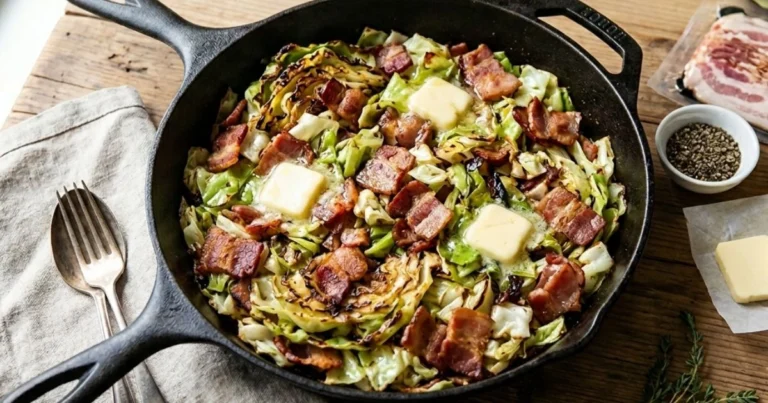
Irish-style boiled cabbage is traditionally cooked in the same water as bacon or ham, absorbing the smoky, salty flavor from the meat. If you don’t have cooking liquid from meat, add a bay leaf, a few whole peppercorns, and a small piece of smoked bacon to your boiling water before adding the cabbage. The result is deeply savory and comforting. Explore more cabbage preparations at our Cabbage Recipes collection.
Boiled Cabbage with Vinegar
Southern-style boiled cabbage is typically finished with apple cider vinegar, a pinch of sugar, and sometimes red pepper flakes for heat. The vinegar cuts through the richness and balances the natural sweetness of the cooked cabbage. This version works particularly well alongside fried or roasted dishes.
Boiled Cabbage as a Base for Other Dishes
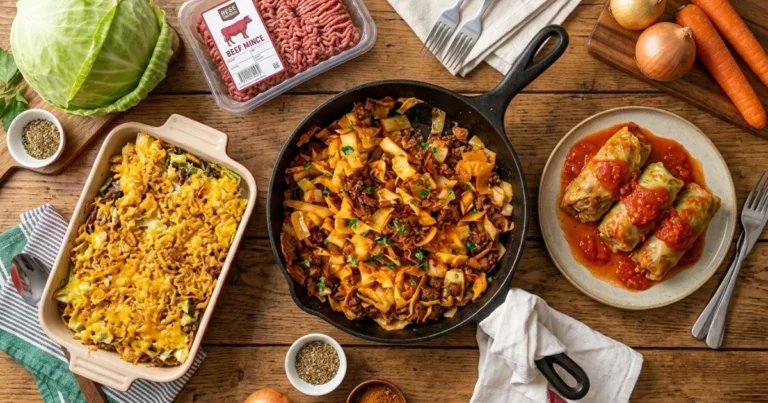
Boiled cabbage is an excellent foundation for more complex recipes. Once cooked and drained, you can add it directly to soups and stews, it integrates seamlessly and adds body without overpowering other ingredients. Try stirring it into our Easy Cabbage Soup for a hearty, 30-minute meal. It also works well layered into casseroles, tossed with egg noodles and butter, or used as a filling for stuffed cabbage rolls. Pre-boiling saves you significant time in more involved recipes.
What to Serve with Boiled Cabbage
Protein Pairings
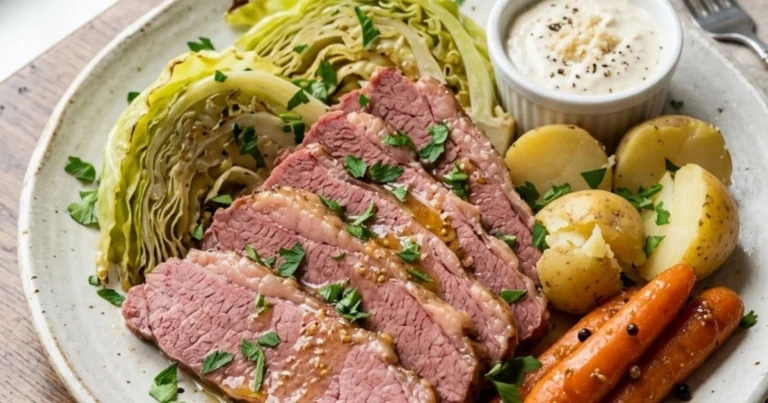
Boiled cabbage has a natural affinity with rich, savory proteins. It’s the classic companion to corned beef, the mild sweetness of the cabbage balances the salty, briny flavor of the meat perfectly. It also pairs well with roasted pork loin, grilled sausages, braised chicken thighs, or pan-seared salmon. If you’re cooking for a crowd, try it alongside our Corned Beef and Cabbage in the Slow Cooker, a combination that practically cooks itself.
Grain and Bread Pairings
Boiled cabbage pairs naturally with hearty grains and breads that can soak up the buttery cooking juices. Serve it alongside crusty sourdough, warm dinner rolls, or a thick slice of rye bread to round out the meal. It also works well over steamed rice or barley. Browse our Bread recipes for easy homemade options that complement this dish beautifully.
Soup and Stew Pairings
A bowl of boiled cabbage alongside a warm, brothy soup is a classic combination. The lightness of the cabbage balances heartier liquid dishes. Try it next to a simple vegetable broth, a bean and ham soup, or a creamy potato soup. Visit our Soup Recipes collection for pairing ideas that work year-round.
How to Store and Reheat Boiled Cabbage
Refrigerator Storage
Boiled cabbage stores well in the refrigerator for up to 4 days. Let it cool completely before transferring to an airtight container. Keep it in its cooking juices or with a drizzle of olive oil to prevent it from drying out. Avoid storing it in a vented container, cooked cabbage has a strong aroma that can permeate your refrigerator if not sealed properly.
Freezing Boiled Cabbage
You can freeze boiled cabbage, though the texture will soften significantly once thawed. It’s best to freeze it in portions intended for soups or cooked dishes rather than as a stand-alone side. Allow it to cool fully, pat it dry to remove excess moisture, and freeze flat in zip-lock bags for up to 3 months. Thaw overnight in the refrigerator before using.
Best Reheating Methods
The stovetop is your best option for reheating boiled cabbage. Add it to a skillet with a splash of water or broth and a small knob of butter over medium heat. Toss gently for 2–3 minutes until warmed through. Avoid the microwave if possible, it tends to make cabbage rubbery and intensifies the sulfur smell. If you must use a microwave, cover loosely and heat in 30-second increments.
Conclusion
Boiled cabbage deserves a serious reputation upgrade, and this recipe delivers exactly that. With the right technique, a full rolling boil, well-salted water, and careful timing, you get a vegetable that’s tender, flavorful, and endlessly versatile. Whether you’re serving it as a quick weeknight side, building it into a soup, or layering it into a larger dish, this method gives you consistent results every time.
Give this recipe a try and let us know how it turned out in the comments below. And if you’re looking for more ways to use cabbage, check out our full Cabbage Recipes collection, from sautéed cabbage with eggs to hearty beef and cabbage dishes, there’s something for every occasion.
Frequently Asked Questions
How long does it take to boil cabbage?
It depends on how you’ve cut it. Shredded cabbage takes 3–5 minutes, chopped pieces take 5–7 minutes, and wedges take 8–10 minutes. A whole head of cabbage takes 12–15 minutes. Always start timing from when the water returns to a full boil after adding the cabbage.
How do you keep boiled cabbage from smelling?
The smell comes from sulfur compounds released when cabbage is overcooked. The most effective solution is to not overcook it, keep your boiling time short and drain immediately. Adding a small splash of apple cider vinegar to the water can also help neutralize odor. Ensure your kitchen is well ventilated while cooking.
Is boiled cabbage healthy?
Yes. Boiled cabbage is low in calories (about 34 per cup), high in fiber, and a good source of vitamin C, vitamin K, and folate. While boiling reduces some vitamin C compared to eating it raw, it also improves digestibility and is gentler on the stomach. It’s an excellent choice for anyone looking to add more vegetables to their diet.
Can you boil cabbage ahead of time?
Absolutely. Boiled cabbage can be made up to 2 days in advance and stored in an airtight container in the refrigerator. Reheat it gently on the stovetop with a little butter or broth. It’s ideal for meal prep or for simplifying holiday cooking.
What do you put in water when boiling cabbage?
At minimum, add salt, it seasons the cabbage from within and makes a noticeable difference in the final flavor. For more complexity, you can add a bay leaf, a few peppercorns, garlic cloves, or a splash of apple cider vinegar. If you’re making an Irish-style preparation, add smoked bacon or ham to the water.
Why is my boiled cabbage bitter?
Bitterness usually comes from one of two sources: overcooking or the cabbage variety. Overcooked cabbage releases more sulfur compounds, which taste bitter and sharp. To avoid this, stick to the timing guidelines and test early. Some outer leaves are naturally more bitter, remove the outermost 1–2 layers before cooking. If bitterness persists, finish the dish with a pinch of sugar or a drizzle of honey to balance it out.

One Comment
Comments are closed.