The Best Focaccia Bread Recipe
The Best Homemade Focaccia Bread Recipe You’ll Ever Make
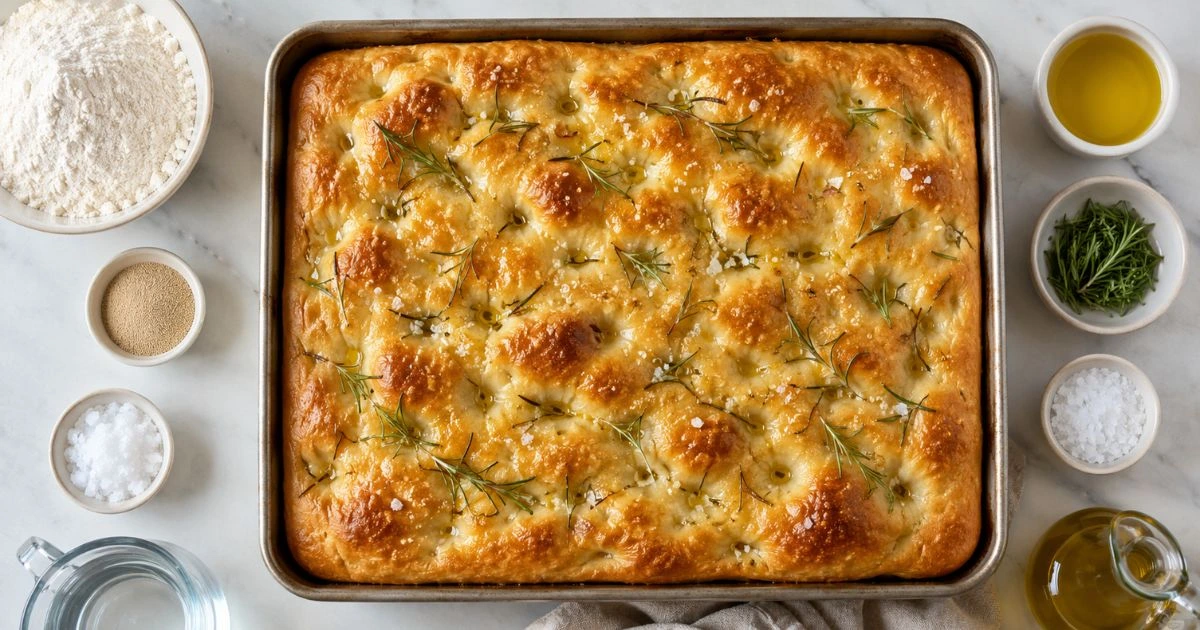

Best Homemade Focaccia Bread Recipe
Ingredients
Method
- Combine warm water and yeast. Add olive oil, salt, and flour. Mix until a sticky dough forms. Cover and let rest.
- dough rise at room temperature for 1–2 hours until doubled, or refrigerate overnight.
- Oil pan generously. Transfer dough, stretch to edges, let rest 30–45 minutes, then dimple with fingers.
- Add rosemary, flaky salt, and any optional toppings.
- Bake at 425°F for 20–25 minutes until deep golden brown.
There’s something almost magical about pulling a pan of focaccia out of the oven. The kitchen fills with the warm, savory scent of olive oil and fresh rosemary, and you’re suddenly the kind of person who makes bread from scratch on a Tuesday. If that sounds like a lot, don’t worry, this focaccia bread recipe is genuinely one of the easiest breads you’ll ever make, and the results are absolutely stunning every single time.
Whether you’re new to baking or you’ve made a dozen loaves before, this guide walks you through every step with clear instructions and plenty of tips along the way. You don’t need fancy equipment, hard-to-find ingredients, or even a stand mixer. Just a bowl, a baking pan, good olive oil, and a little patience.
Let’s make some bread.
What Is Focaccia Bread?
Focaccia is a flat Italian bread known for its soft, airy crumb, crispy golden bottom, and gorgeous dimpled top. It’s been baked in Italy for centuries — especially in the Liguria region, where the classic version is made simply with olive oil, rosemary, and coarse salt. Today, bakers around the world have taken those basics and run with them, topping focaccia with everything from cherry tomatoes to caramelized onions to olives and cheese.
What makes focaccia so approachable is that it doesn’t require precise shaping or the kind of tension-building technique you’d use for a baguette or sourdough. The dough is soft, wet, and wonderfully forgiving. If you’re looking to build your bread-baking confidence, this focaccia bread recipe is the perfect place to start.
It’s also incredibly versatile. Serve it alongside a bowl of soup, use it as the base for a sandwich, cut it into strips for dipping, or just tear off a piece and eat it warm with a drizzle of good olive oil. If you love bread, and let’s be honest, who doesn’t — focaccia might just become your new weekend ritual. If you enjoy baking bread at home, you might also love this How to Make French Bread at Home guide for another beginner-friendly bake.
What Makes Focaccia Different from Regular Bread?
The biggest difference between focaccia and a typical sandwich loaf is the olive oil — and a lot of it. The dough itself contains olive oil, and then you pour more into the pan before the second rise and again before baking. This oil is what gives focaccia its signature golden, almost fried bottom and its rich, savory flavor.
The texture is also unique: focaccia is chewier than soft sandwich bread but lighter than a traditional Italian boule. It has a tender, open crumb with irregular bubbles, those beautiful pockets that soak up oil and trap flavor.
Focaccia Bread Ingredients
Here’s what you’ll need for one standard 9×13-inch pan of focaccia, serving about 12 generous pieces:
For the dough:
- 4 cups (480g) bread flour (or all-purpose flour)
- 2¼ tsp instant yeast (one standard packet)
- 2 tsp fine sea salt
- 2 cups (480ml) warm water (around 110°F / 43°C)
- ¼ cup (60ml) good-quality olive oil, plus more for the pan
For topping:
- 3–4 tbsp olive oil
- 1 tbsp fresh rosemary leaves (or 1 tsp dried)
- 1 tsp flaky sea salt (like Maldon)
Optional toppings: cherry tomatoes, sliced olives, caramelized onions, thinly sliced garlic, shredded mozzarella, sun-dried tomatoes
Can I Use All-Purpose Flour Instead of Bread Flour?
Yes, and many bakers do. Bread flour has a higher protein content, which creates more gluten and gives focaccia a chewier, more structured crumb. All-purpose flour produces a slightly softer, more tender result. Both are delicious, use whatever you have. The important thing is to use a good flour and measure it correctly (spoon into the cup and level off, or weigh it for best results). For a gluten-free version, check out this Gluten Free Bread guide that covers all the substitutions you’ll need.
How to Make Focaccia Bread — Step-by-Step
Step 1: Make the Dough
In a large mixing bowl, combine your warm water and yeast. Give it a gentle stir and let it sit for about 5 minutes, if your yeast is active, you’ll see it start to foam slightly. If nothing happens after 10 minutes, your yeast may be expired and you’ll want to start with a fresh packet.
Add the olive oil and salt to the yeast mixture, then stir in the flour until a shaggy, sticky dough forms. This dough is meant to be wet, don’t be tempted to add more flour. A wetter dough means a lighter, more open crumb. Mix until no dry flour remains, then cover the bowl with plastic wrap or a clean kitchen towel.
Step 2: The First Rise
Let the dough rise at room temperature for 1 to 2 hours, or until it has roughly doubled in size. The exact timing depends on how warm your kitchen is — a warm spot like near the oven or on top of the refrigerator speeds things up.
For the best flavor, you can do a slow overnight rise in the refrigerator instead. Simply mix the dough, cover it tightly, and refrigerate for 8 to 24 hours. Cold fermentation develops deeper, more complex flavor, something closer to what you’d find in a bakery. Food scientists at Serious Eats have written extensively about how longer, colder fermentation improves the flavor and texture of flatbreads, and focaccia is no exception. When you’re ready to bake, pull the dough from the fridge and let it come to room temperature for about 30 minutes before moving on.
Step 3: Transfer to the Pan and Dimple
Generously coat the bottom of a 9×13-inch metal baking pan with about 3–4 tablespoons of olive oil. Don’t hold back here, this oil is what creates the crispy, golden bottom that makes focaccia so addictive.
Scrape the dough into the pan and use your hands to gently stretch it toward the edges. If it springs back, let it rest for 5 minutes and try again, the gluten just needs a moment to relax. Cover the pan loosely and let the dough rest for another 30 to 45 minutes for a second rise.
Once the dough has puffed slightly, pour a little more olive oil over the top and use your fingertips to press down firmly all over the surface, creating the characteristic dimples. Don’t be shy, really poke those dimples in. This step is honestly one of the most satisfying parts of the whole process.
Step 4: Add Your Toppings
Now for the fun part. Scatter your rosemary leaves across the surface, they’ll crisp beautifully in the oven. Sprinkle over the flaky salt generously. This is also the moment to add any other toppings you’re using.
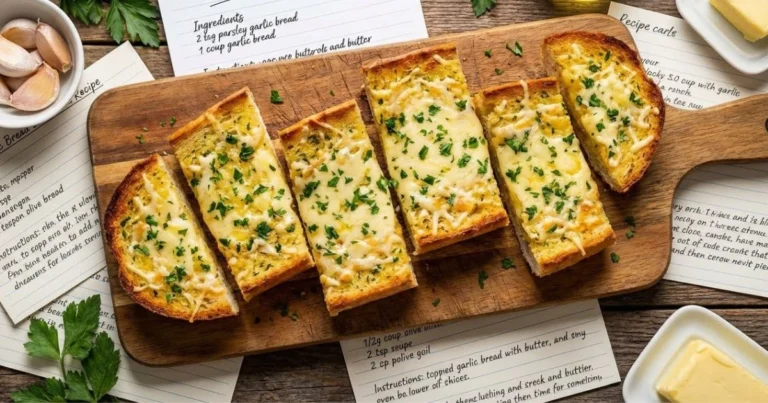
Some ideas: press halved cherry tomatoes gently into the dimples for a juicy, jammy result; scatter sliced olives for briny depth; add thin slices of raw garlic that will roast sweet and golden; or press small chunks of cheese into the surface for a melty, indulgent version. If you’re a garlic lover, you might get some inspiration from this easy Garlic Bread Recipe too.
Step 5: Bake Until Golden and Crispy
Preheat your oven to 425°F (220°C). A hot oven is essential for focaccia, it’s what gives you that crispy exterior and airy interior in the same bake.
Slide the pan into the oven and bake for 20 to 25 minutes, until the top is deep golden brown and the edges are visibly crispy and pulling away from the sides of the pan. If you tap the bottom of the focaccia (carefully), it should sound hollow.
Let it cool in the pan for about 5 minutes, then transfer to a wire rack. You can cut into it after another 5 minutes, though if you can wait a full 10 minutes, the crumb will have set more beautifully and the slices will hold together better.
What Temperature Do You Bake Focaccia At?
Bake at 425°F (220°C). This high heat is non-negotiable, a lower temperature will give you bread that’s pale, soft-bottomed, and missing that gorgeous crust. If your oven tends to run cool, you can go up to 450°F for an even crispier result.
Focaccia Toppings: Sweet and Savory Ideas
One of the best things about this focaccia bread recipe is how endlessly customizable it is. The base dough works beautifully with almost any topping.
Classic Focaccia Toppings
The simplest version, fresh rosemary, flaky sea salt, and good olive oil, is also the most timeless. The herb infuses into the oil as it bakes, creating a fragrant, golden crust that’s hard to beat.
Creative Focaccia Topping Ideas
Cherry tomatoes are wonderful: press them cut-side up into the dough just before baking and they’ll burst and caramelize. Kalamata olives add a salty, briny punch. Caramelized onions bring sweetness and depth. A few thin slices of red onion and some crumbled feta with fresh thyme is another combination worth trying. For something heartier, sprinkle shredded mozzarella and basil and you’ve got a pizza-adjacent focaccia that’s incredibly crowd-pleasing.
Tips for the Best Focaccia Every Time
Don’t skimp on the olive oil. It might feel like a lot, and it is, but that oil is what makes focaccia taste like focaccia. Use the best quality you can afford, since the flavor really does come through in the finished bread.
Don’t rush the rise. The longer the dough rises, the more flavor it develops. If you’re in a hurry, a 1-hour rise at room temperature will work. But if you have time, even a 2-hour rise at room temperature or an overnight rest in the refrigerator will result in noticeably better flavor.
Use a metal pan. Glass and ceramic baking dishes don’t conduct heat as efficiently, which means you won’t get the same crispy bottom. A basic aluminum or dark metal baking pan is ideal. The King Arthur Baking team specifically recommends dark pans for better browning in focaccia, the additional heat absorption makes a real difference.
Let it cool before slicing. It’s hard to wait, but giving the focaccia even 5 minutes to cool allows the crumb to set and makes for cleaner slices.
Be generous with the dimples. Shallow dimples puff back up during baking. Really press your fingers in firmly, all the way down to the pan if needed.
How to Store and Reheat Focaccia
Focaccia is best on the day it’s made, but it keeps well for a couple of days. Store cooled focaccia in an airtight container at room temperature, avoid the refrigerator, which dries it out quickly.
To reheat, place slices on a baking sheet in a 375°F oven for 5 to 8 minutes. This brings back the crispy exterior almost as good as fresh. You can also toast individual slices in a dry skillet over medium heat for a few minutes per side.
For longer storage, freeze cooled focaccia in individual slices wrapped tightly in plastic wrap, then placed in a freezer bag. Reheat directly from frozen at 375°F for about 12 to 15 minutes.
What to Serve with Focaccia
Focaccia pairs beautifully with soups and stews. It’s perfect for dipping into the broth of something rich and hearty, like this comforting Cabbage Roll Soup Recipe that comes together in one pot. It’s also excellent with creamy potato soup or tomato-based soups where you want something sturdy enough to actually mop up the bottom of the bowl.
For a simple appetizer, serve focaccia with a small dish of good olive oil mixed with a splash of balsamic vinegar and a pinch of flaky salt. Add a plate of olives and some sliced cheese and you have an instant crowd-pleaser.
Focaccia also makes exceptional sandwiches. Slice it horizontally and fill it with fresh mozzarella, roasted red peppers, and arugula. Or go the classic Italian route with cured meats, provolone, and a smear of good mustard.
Conclusion
And that’s really all there is to it. A handful of pantry ingredients, a little patience while the dough rises, and you’ll have a pan of focaccia that looks and tastes like it came from a proper Italian bakery.
This focaccia bread recipe is one of those bakes that feels impressive but is secretly very forgiving. The dough is flexible, the process is relaxed, and the results are consistently delicious. Whether you keep it simple with just rosemary and salt or go all out with toppings, you’re going to love how this turns out.
Give it a try this weekend, and when you do, drop a comment below and tell me how yours went. Did you add any fun toppings? I’d love to hear from you!
Frequently Asked Questions
Can I make focaccia bread without a stand mixer?
Absolutely. This recipe is designed to be made by hand in a single bowl. The dough is too wet and sticky for hand-kneading anyway, it comes together just by mixing with a spoon or spatula until no dry flour remains.
Why is my focaccia dense instead of fluffy?
The most common reason is that the yeast didn’t activate properly. Make sure your water is warm but not hot, around 110°F. Too-hot water kills yeast. Also make sure you’re giving the dough enough time to rise before baking.
Can I make focaccia bread ahead of time?
Yes! The dough can be mixed the night before and refrigerated overnight. This actually improves the flavor significantly. You can also bake the focaccia and reheat it before serving, it comes back wonderfully in a hot oven.
What is the best flour for a focaccia bread recipe?
Bread flour gives the best texture, but all-purpose flour works well and is more widely available. Either will produce delicious focaccia.
Is focaccia bread recipe easy for beginners?
It’s one of the most beginner-friendly breads you can make. There’s no shaping, no scoring, and the wet dough is very forgiving. If you’ve never made bread before, this is an excellent place to start.