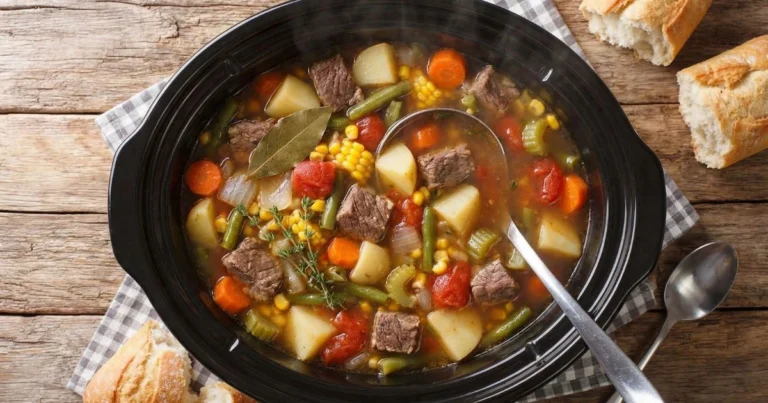
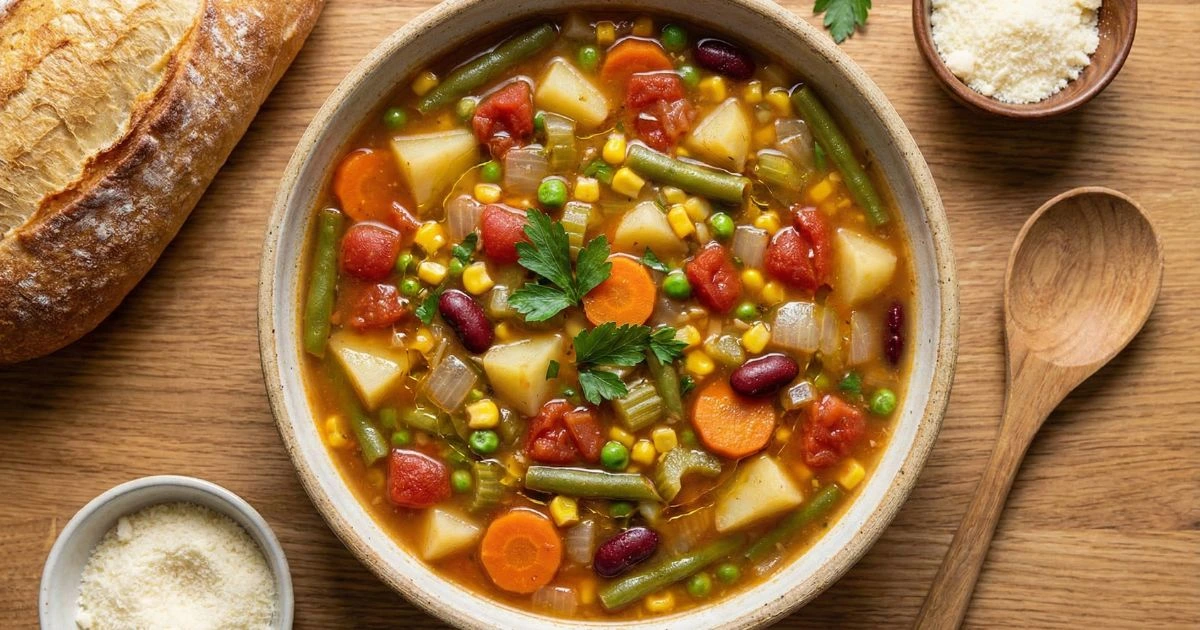
Vegetable Soup recipe (the best ever)
The Best Vegetable Soup: A Heartwarming Recipe for Every Season
There’s something undeniably comforting about a steaming bowl of vegetable soup. Maybe it’s the way the rich aroma fills your kitchen, or perhaps it’s the warmth that seems to wrap around you with every spoonful. You don’t just eat vegetable soup—you experience it. It’s a dish that nourishes your body, satisfies your taste buds, and comforts your soul, all at the same time. Whether it’s a chilly evening, a busy weekday, or a day when you simply need a boost, a bowl of homemade vegetable soup can transform your day.
In this guide, you’ll discover everything you need to know to create the best vegetable soup from scratch. You’ll learn how to choose the right ingredients, step-by-step instructions for cooking, tips for variations, and even the health benefits that make this classic dish a pantry staple. By the end, you’ll feel confident enough to whip up your own version and maybe even start creating memories around your soup pot.
Why Vegetable Soup is the Perfect Comfort Food
Nutritional Benefits of Vegetable Soup
When you make vegetable soup, you’re not just filling your stomach—you’re feeding your body with essential nutrients. Each vegetable contributes vitamins, minerals, and antioxidants, helping your immune system stay strong.
Rich in vitamins and minerals: Carrots provide vitamin A, spinach offers iron, and bell peppers bring in vitamin C.
High in fiber: Vegetables like celery, potatoes, and beans aid digestion and help you feel fuller for longer.
Low-calorie, nutrient-dense: Ideal for maintaining a healthy weight without sacrificing taste.
Boosts immunity and digestion: Nutrients like zinc, vitamin C, and antioxidants support your body’s natural defenses.
Sources such as the USDA and Healthline confirm that a diet rich in vegetables can reduce the risk of chronic illnesses and support overall well-being.
Emotional & Cultural Connection
Vegetable soup isn’t just food; it’s memories in a bowl. Perhaps it reminds you of cozy family dinners or the soothing aroma your parents used to make on rainy days. Across cultures, soup is a symbol of care and comfort, and by making it yourself, you tap into that tradition. You’re not only creating a dish—you’re crafting moments of connection, nourishment, and warmth.
Essential Ingredients for the Best Vegetable Soup
Fresh Vegetables Are Key
The foundation of any great vegetable soup is fresh, high-quality vegetables. You want them vibrant, crisp, and ripe.
Carrots, celery, onions, and potatoes are staples for a balanced flavor base.
Seasonal vegetables like zucchini, pumpkin, kale, or spinach add variety and texture.
Consider adding mushrooms or tomatoes for depth and umami flavor.
Pro tip: The fresher your vegetables, the richer your soup will taste. Local farmers’ markets are a great place to source produce with maximum flavor.
Herbs, Spices & Seasonings
Herbs and spices elevate your soup from simple to extraordinary. Here’s what you can include:
Garlic, thyme, parsley, and bay leaves for classic flavor
Salt and pepper to taste
Optional: smoked paprika, cumin, or turmeric for a unique twist
Adding herbs toward the end of cooking helps preserve their aroma and vibrancy, ensuring your soup smells as good as it tastes.
Broth & Base Options
The liquid you use determines the soul of your soup:
Vegetable broth keeps it light and vegan-friendly.
Chicken broth adds richness if you’re not strictly vegetarian.
Homemade broth gives depth and control over salt and flavor.
Quick alternatives: Stock cubes or concentrated bouillon can be lifesavers when short on time.
Pro tip: Sautéing aromatics in oil or butter before adding broth intensifies the flavor.
Step-by-Step Guide to Making the Best Vegetable Soup
Preparation Tips
Clean and cut the vegetables evenly so they cook uniformly.
Sauté aromatics like onions, garlic, and herbs to enhance flavor.
Prep all ingredients before starting to cook—this keeps the process smooth.
Cooking Instructions
Heat 1–2 tablespoons of olive oil in a large pot over medium heat.
Add onions, garlic, and other aromatics; sauté until fragrant and lightly golden.
Stir in chopped vegetables and cook for 3–5 minutes.
Pour in your chosen broth and bring to a gentle boil.
Reduce heat to simmer and cook for 25–30 minutes until vegetables are tender.
Season with salt, pepper, and herbs. Taste and adjust seasoning as needed.
Optional: Blend half or all of the soup for a creamy texture or leave it chunky for a rustic feel.
Serving Tip: Ladle the soup into bowls, top with fresh herbs, a drizzle of olive oil, or a sprinkle of parmesan. Pair it with crusty bread or crackers for a satisfying meal.
Variations of Vegetable Soup
Creating your own variations lets you tailor the soup to your taste or seasonal ingredients. Here are some ideas:
Classic Vegetable Soup: Simple, hearty, and healthy. Perfect for everyday meals.

Creamy Vegetable Soup: Blend some or all of the vegetables for a smooth, comforting texture.

Hearty Vegetable Soup with Beans or Lentils: Add protein for a filling, nutritious meal.
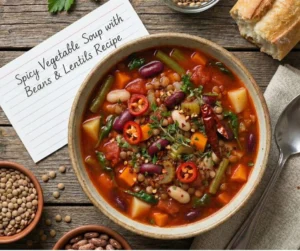
Spicy Vegetable Soup: Introduce chili or cayenne for a warming kick.
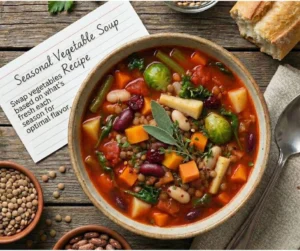
Seasonal Vegetable Soup: Swap vegetables based on what’s fresh each season for optimal flavor.
You might also love our Chicken Noodle Soup Recipe — light, wholesome, and perfect for busy weeknights.
Health Benefits of Eating Vegetable Soup Regularly
Eating vegetable soup is not just delicious—it’s an investment in your health. Regularly incorporating it into your meals can provide:
Weight management: Low in calories but filling, helping you control portions.
Heart health: Fiber-rich vegetables and low sodium options support cardiovascular health.
Gut health: A fiber-packed diet promotes smooth digestion and a healthy microbiome.
Immune support: Vitamins, minerals, and antioxidants boost your body’s defenses.
Studies from reputable sources like NIH and WebMD confirm that diets high in vegetables improve overall health outcomes.
(FAQ) About Vegetable Soup
How many days can vegetable soup be stored in the fridge?
Store your soup in airtight containers for up to 4–5 days. Make sure it cools to room temperature before refrigerating.
Can I freeze vegetable soup?
Yes! Store in freezer-safe portions for up to three months. Avoid adding pasta or potatoes before freezing, as they can become mushy upon reheating.
Is it possible to prepare vegetable soup using a slow cooker?
Definitely! Cook on low for 6–8 hours, and add tender vegetables and herbs near the end to preserve their color and freshness.
How do I make my vegetable soup richer in flavor?
Use homemade broth for depth
Sauté aromatics before adding vegetables
Finish with fresh herbs, a splash of olive oil, or a dash of seasoning
Pro tip: Taste as you go. Adjust seasonings gradually to match your flavor preference.
Conclusion
Making the best vegetable soup is a rewarding experience that goes beyond just food. It’s about comfort, nourishment, and creativity. By using fresh vegetables, aromatic herbs, and a flavorful broth, you can create a dish that delights your taste buds and supports your well-being.
You now have the tools to make vegetable soup your own, whether you stick with a classic version or explore variations like creamy, spicy, or hearty bean-based soups. So grab your favorite vegetables, gather your herbs, and start creating a bowl of warmth and comfort for yourself and your loved ones.
Call-to-Action: Try your hand at this vegetable soup today. Share your creations with friends or family, and don’t forget to experiment with ingredients to make it uniquely yours. A little love in your pot goes a long way!
so tasty
amazing i love this soup